
From Brand to Building: The Strategic Role of Environmental Graphic Design Signage Q&A
June 30, 2026
More Than Signage: The Power of Environmental Graphic Design
Environmental graphic design plays a critical role in how people experience physical spaces, yet it is often misunderstood as simply signage. In reality, environmental graphic design connects brand identity, storytelling, and navigation within the built environment. It influences how visitors move through a space, how they understand an organization’s values, and how they feel about a brand long after they leave.
For healthcare systems, universities, corporate campuses, and public facilities, signage and environmental graphics serve both practical and strategic purposes. They guide people to their destinations, reinforce brand identity, and shape the overall experience of a space. When thoughtfully designed, environmental graphics do more than direct traffic. They communicate culture, strengthen brand recognition, and create environments that feel intentional and cohesive.

Q & A | Inside the Strategy: A Conversation with Zon Buckley
To explore how environmental graphic design and signage come together to shape meaningful, functional spaces, we spoke with GAVIN’s Zon Buckley, Senior Art Director, about the strategy and design behind these environments, and how that vision carries through to execution in the field. As a sister company within The YGS Group, GAVIN focuses on strategic marketing and brand communications, while Caskey brings that vision to life through the production and installation of signage and graphics. Together, this integrated approach ensures every element is not only thoughtfully designed, but expertly built and installed to create cohesive, end-to-end brand experiences across every environment.
Understanding Environmental Graphic Design
Q: How do you define environmental graphic design in the context of healthcare, corporate, or education spaces?
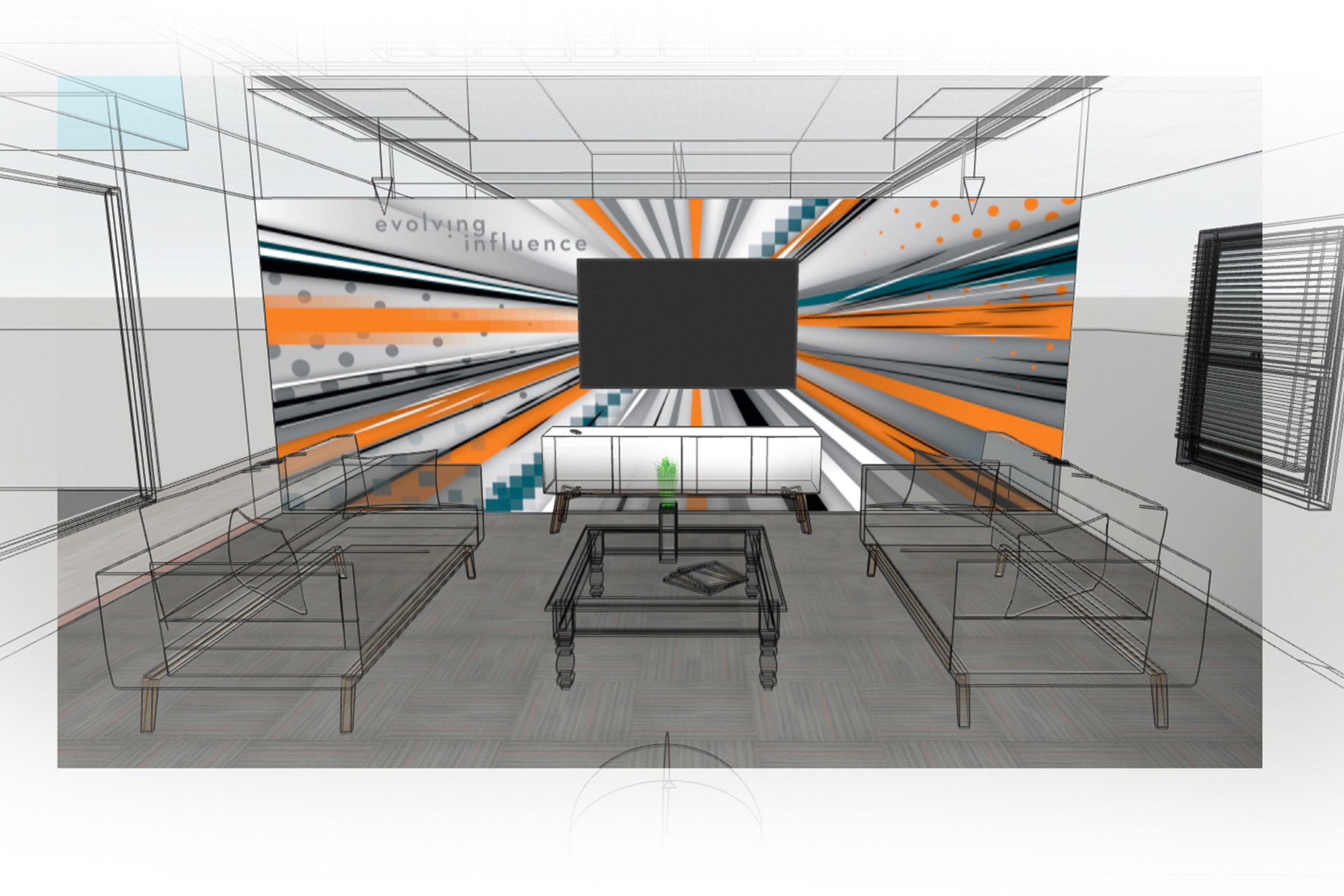
A: Environmental graphic design, or EGD, is a multidisciplinary field of design in which the disciplines of graphic design, architecture, art, lighting, landscape, and other fields are utilized as a way to enhance the user experience through the visual translation of ideas in the built environment.
Q: What’s the difference between signage and a true environmental branding strategy?
A: Signage is straightforward. It includes branded graphics that direct people to a location. While signage is an important part of an environmental strategy, the strategy goes beyond wayfinding. A true environmental branding strategy considers the entire experience from entrance to exit. It focuses on what the organization wants visitors to understand about the brand and how that message is communicated through the space when no one is there to explain it.
Q: What role does brand consistency play in environmental graphics?
A: A huge role. The goal is to promote the values and ideals of the brand. There isn’t always someone there to pitch the brand. When we think about EGD, we think about how the experience will be for viewers and what impact it makes.
Q: How does environmental design impact visitor experience and brand perception?
A: If done correctly, EGD can have a strong impact on visitor experience. Think about an Apple Store. When you walk in, you immediately know where you are. The consistent use of brand elements creates a recognizable and immersive experience. Our goal is to carry and strengthen the brand at every opportunity throughout the space.
The Role of Signage in Experience and Operations
Q: What problems does thoughtful signage solve that most clients don’t initially realize?
A: Clarity. Whether you’re trying to get someone to another location (wayfinding), educate them on company history (timeline), or promote a new product, thoughtful signage amplifies your brand voice and storytelling.
Q: When should an organization consider updating its signage system?
A: An organization should update its signage system to reflect its current brand. If signage at a facility does not match what someone saw on the website or in marketing materials, it can create confusion and make the organization appear out of date. Updates are also important during mergers or acquisitions to create a cohesive experience. Additionally, old, faded, or damaged signage can reflect poorly on the organization.
Q: How does poor signage impact operations or patient satisfaction?
A: Poor signage can leave people confused and uncertain about a brand or company. Old, worn down signage can give a bad impression, potentially damaging trust and relationships.
Q: What common mistakes do organizations make when planning signage?
A: Not enough planning. Many organizations simply “update” existing signage without assessing whether it’s in the appropriate location. Taking a strategic approach to placement can make a bigger impact on the experience.
Planning and Strategy Behind Effective Signage
Q: What are the first questions you ask before designing a signage program?
A: Who are we “talking” to? Who will be seeing these graphics? Are you open to suggestions for graphics and placement?
Q: Why does managing design, production, and installation under one roof matter?
A: The “total solution” approach is one of our strongest differentiators. Because design and production work closely together, we speak the same language and collaborate to ensure the final product meets client expectations. Our proven process also allows us to estimate accurately and deliver projects with no surprises.
Designing for Real People and Real Spaces
Q: How do you design signage for diverse audiences?
A: It connects back to understanding who will be seeing the graphics. For one project at a Hershey plant, we designed signage in both English and Spanish. This created a unique opportunity for the design because the use of both languages added visual interest while also ensuring that everyone could clearly read and understand the messaging.
Q: How do color, typography, and placement affect navigation?
A: These elements play a big role in navigation. Using brand colors and font styles help people quickly recognize that they are on the right path. Placement is also critical. If a sign is difficult to see or understand, people will struggle to follow it and find their destination.
Q: How do you balance creativity with ADA compliance and regulations?
A: I see it as a design challenge. Much like working within a certain paper size or pixel count, compliance requirements are simply another set of rules we must follow. The first step is understanding the necessary regulations and accessibility standards. From there, we design within those guidelines to ensure the final solution is both creative and compliant.
Measuring Success and Looking Ahead
Q: How do you test whether a signage system is working?
A: The best way is to use it. Navigate it yourself or have someone unfamiliar test it. The more people who use it, the more feedback you collect.
Q: What emerging trends are shaping environmental design?
A: One exciting development is LED vinyl, which is essentially a television in vinyl form that can be installed on walls and windows. This technology allows designers to incorporate motion and bright RGB lighting into their designs, creating new ways to communicate with people in a space. I have also seen holograms beginning to appear in places like malls, hotels, and large venues. While it may sound somewhat futuristic, the technology already exists and is starting to emerge in environmental design.
Q: Where is environmental branding headed in the next 5–10 years?
A: I see EGD growing in popularity. As brands seek new avenues to reach their audience, the built environment is an endless opportunity. As technology expands, designers will use more EGD. There’s a “wow” factor in physical experience that’s somewhat lost in mobile digital advertising.
When Environmental Design and Signage Work as One
Environmental graphic design and signage are most effective when included as part of a broader strategy rather than as isolated design elements. Together, they influence how people experience a space, how easily they can navigate it, and how well they understand the organization guiding it.
When environmental graphics align with brand identity and are supported by thoughtful signage systems, the built environment becomes a powerful communication tool. It can guide visitors with confidence, reinforce brand values, and create memorable experiences that go beyond traditional marketing channels.
As organizations continue to evolve their physical spaces, environmental graphic design will continue to be a vital way for brands to connect with people in real environments. With the right strategy, design, and execution, signage and environmental graphics can transform a space into a clear, engaging, and purposeful experience.
Ready to turn your space into a powerful brand experience?
Caskey helps you design and implement environmental graphics and signage that guide, inform, and leave a lasting impression.
Contact Caskey to start your next environmental branding project.
Related Posts
How to Decide Which Signs Your Business Needs

Indoor and Outdoor Signage That Speaks Before You Do